
Heatstroke is a serious clinical condition that poses a life-threatening risk
DÜZCE (İHA) – Dr. Erdinç Şengüldür, Associate Professor and Head of the Department of Emergency Medicine at Düzce University Faculty of Medicine, provided information on the precautions that can be taken against heat strokes. He stated that heat strokes are frequently seen in emergency departments during the summer months…


0
A+
A-
DÜZCE(IHA) – Dr. Assistant Professor Erdinç Şengüldür, Head of the Department of Emergency Medicine at Düzce University Faculty of Medicine, provided information about the precautions that can be taken against heat stroke. Dr. Assistant Professor Erdinç Şengüldür stated that heat strokes are frequently seen in emergency departments during the summer months, ‘With the effects of climate change, summers are now hot in most parts of our country. This situation turns heat strokes into a serious public health problem. Our bodies have defense mechanisms that fight against heat. With the expansion of blood vessels in the heat, more blood is pumped especially to the skin. Sweating is another important defense mechanism. A certain amount of heat is removed from the body through evaporation of sweat. When the outside temperature exceeds the body temperature, the transfer of body heat to the outside environment becomes impossible. Especially in humid weather, the decrease in evaporation makes heat transfer through sweating difficult,’ he said. ‘It has a negative impact’ Stating that high body temperature has a negative impact on all systems, especially the brain and nervous tissues, Şengüldür said, ‘When defense mechanisms start to become inadequate in protecting the body from heat, the risk of heat stroke arises. Heat stroke is a serious clinical condition that develops due to heat exposure and poses a vital danger. Heat exposure is defined as the impairment of consciousness and the increase in body temperature above 40 degrees.’ Describing the symptoms of heat stroke, Şengüldür said, ‘Impairment of consciousness and a body temperature above 40 degrees are the two most important findings. Additionally, hot red skin, palpitations, shortness of breath, breathlessness, and a decrease in blood pressure can be observed. Due to heat-related coagulation disorders, lesions called ‘petechiae’ and ‘purpura’ can be seen on the skin. Patients may present to emergency departments with complaints of personality changes, hallucinations, seizures, or loss of consciousness.’ ‘Heat stroke is more risky in extreme age groups’ Head of the Department of Emergency Medicine Dr. Şengüldür stated, ‘Extreme ages can roughly be defined as below 4 years old and above 75 years old. In small children, mechanisms that regulate body heat are not yet sufficiently developed, and in elderly individuals, these mechanisms do not work as efficiently as before, making heat exposure deeper. The tolerance for fluid loss is lower in small children and the elderly. Individuals with chronic illnesses, especially heart patients, are another risky group. Dilated blood vessels due to heat and increased heart rate increase the risk of heart attack in these individuals. Individuals with mental illnesses who are unable to protect themselves from heat, alcoholics, homeless individuals are at risk for heat strokes. Heat strokes are also seen in individuals who engage in excessive physical exercise in hot weather. Heat stroke is the third most common cause of death in young athletes.’ ‘Heat stroke can be fatal’ Indicating that the recovery process of heat stroke patients is proportional to the severity and duration of heat exposure, Dr. Şengüldür said, ‘The majority of patients show clinical improvement after practices aimed at lowering body temperature. Problems such as electrolyte imbalances, heart rhythm problems, kidney failure, and liver damage can develop in patients. Heat stroke can be fatal in individuals with prolonged heat exposure.’ Dr. Şengüldür emphasized that individuals exposed to heat stroke should first be taken to a cool area, ‘Clothing should be removed, and efforts should be made to lower the body temperature below 39 degrees. To lower body temperature, the body should be moistened with water, curved areas such as armpits and groin should be moistened with wet towels, and ice should be applied. Gastric lavage with cold water can also be performed in hospital conditions. Antipyretic drugs are not given to lower body temperature in heat stroke patients, as they are ineffective. Feeding and giving fluids to patients with altered consciousness is not safe, as liquids and foods that may enter the respiratory tract pose a danger. Salty buttermilk or water can be given to conscious individuals. Individuals suspected of heat stroke should be taken to emergency departments.’ ‘Even if there is no feeling of thirst, a large amount of fluid should be consumed’ Emphasizing that in order to protect against heat strokes, it is essential to stay in shaded areas during midday when the sun is at its highest in summer days, Şengüldür said, ‘Light-colored, non-synthetic, thin summer clothes should be preferred in hot weather. Jobs that require excessive effort or performance-based sports in hot weather will facilitate heat stroke. We recommend waiting for the evening hours to exercise. We recommend consuming a large amount of fluids, especially water, even if there is no feeling of thirst. Drinking at least 3 liters of water a day on hot days is important to replace the fluid loss due to sweating. We recommend individuals working in environments without air conditioning to ventilate their work areas frequently and not to forget to drink water. Keeping the curtains closed is another measure that will reduce the heating of work areas.’
Related Posts

Experts state that desert dust can harm the respiratory system. Learn about the precautions that can be taken to protect yourself from this danger and safeguard your health.

Nutritionist and Dietitian Hande Soydemir emphasizes that the Mediterranean diet, which focuses on vegetables, fruits, grains, and olive oil, is also a sustainable diet for the environment. "The Mediterranean diet is beneficial for cardiovascular diseases, type 2 diabetes, cancer, obesity...
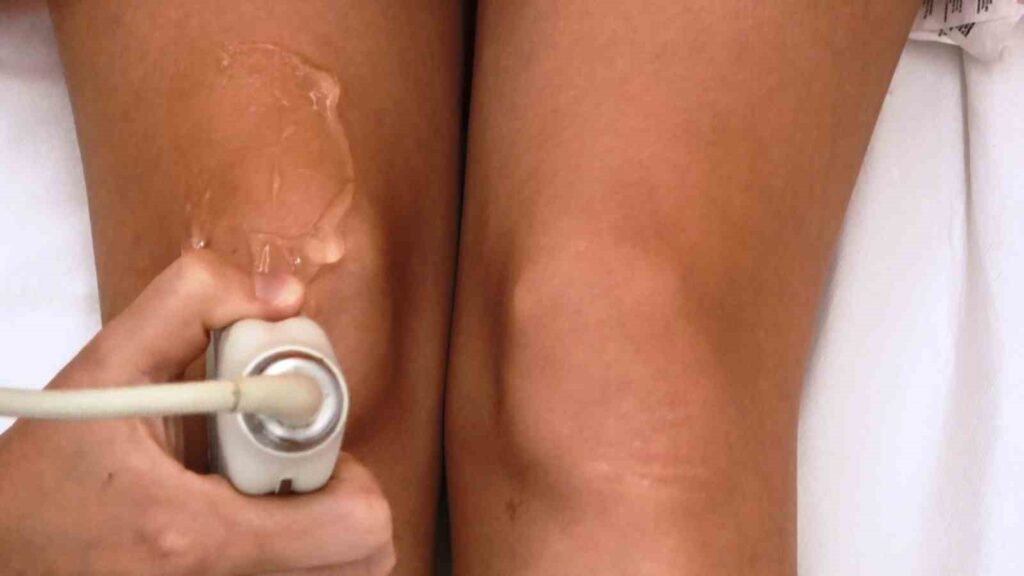
Physiotherapy and Rehabilitation Specialist Assoc. Prof. Dr. Dilek Eker Büyükşireci stated that the newly developed interventional treatment options for the treatment of knee osteoarthritis are now much more effective, and that these patients are achieving promising results in their treatments.
Dr. Özlem Önder states that the risk of developing Alzheimer's, which accounts for 50 to 70 percent of dementia cases, doubles every five years after the age of 65. Along with the increase in life expectancy, aging is considered one of the most important demographic trends of the 21st century...

Izmir University of Economics (IEU) Medical Point Hospital celebrated the arrival of summer with a party. Muslum Yildiz, the General Manager of IEU Medical Point Hospital, stated, 'We value the morale and motivation of our healthcare professionals who work with great dedication...
General Surgery Specialist Dr. Ferhat Erdem Uğraş stated that approximately 2.5 million people worldwide are diagnosed with breast cancer, while in Turkey, this number reaches 25,000. He expressed that breast cancer ranks first on the list of cancer incidence in Turkey.
Leave a Comment
Comments - 0 Comment